Strategic Visual Communication: Leveraging the Overstimulated Brain Cartoon with Bows
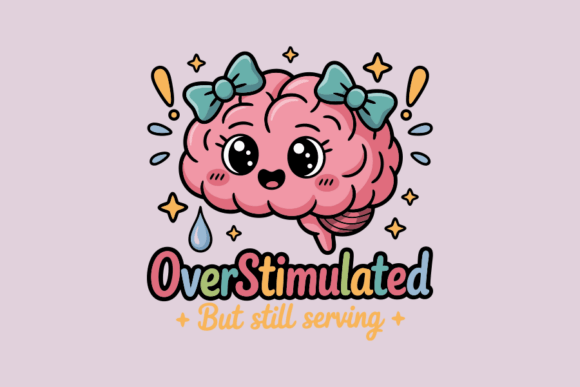
In the modern digital landscape, attention is the scarcest resource. For marketers, educators, and content creators, the challenge is not merely capturing attention but sustaining it without overwhelming the audience. This is where visual metaphors become critical tools for communication. The Overstimulated Brain Cartoon with Bows represents more than a whimsical graphic; it is a strategic asset for conveying complex psychological states in an accessible, non-threatening manner. By combining the kawaii aesthetic with clear indicators of cognitive load—such as stars, water drops, and exclamation points—this illustration bridges the gap between clinical concepts and everyday experience.
When you integrate an overstimulated brain cartoon with cute bows into your content strategy, you are making a deliberate choice to humanize data and emotion. It signals empathy. It suggests that while the subject matter—mental health, neurodivergence, or burnout—is serious, the approach can be supportive and gentle. This balance is essential for building trust with audiences who may feel alienated by sterile medical imagery or overly dramatic stock photography.
Aligning Visual Assets with Communication Goals
Before deploying any creative asset, it is vital to define the objective. The Overstimulated Brain Cartoon with Bows is versatile, but its effectiveness depends on context. Consider the following strategic applications:
- Education and Awareness: For therapists, coaches, and educators, this vector drawing simplifies abstract concepts. It helps explain what sensory overload feels like to clients or students who struggle to articulate their internal experiences. The cute bows soften the intensity, making the topic approachable for initial discussions.
- Brand Humanization: Small business owners and entrepreneurs can use this imagery to show vulnerability. Sharing a post featuring an overstimulated brain cartoon with cute bows during high-stress periods (like holiday sales or product launches) creates relatability. It tells customers, "We are human, we are working hard, and we understand the pressure."
- Internal Communications: HR departments and team leaders can use these visuals in newsletters or slack channels to promote mental health days or mindfulness practices. The humor and charm reduce the stigma associated with asking for help or taking a break.
The key is intentionality. Do not use the image simply because it is colorful. Use it because it accurately reflects the emotional tone you wish to convey: overwhelmed yet manageable, chaotic yet cute.
Technical Versatility and Operational Efficiency
From an operational standpoint, the value of a digital asset lies in its adaptability. The Overstimulated Brain Cartoon with Bows is provided in multiple formats—SVG, EPS, AI, and PNG (300 DPI)—which allows for seamless integration across various platforms. This versatility supports a cohesive brand identity without requiring additional design resources.
For those involved in physical product creation, such as sublimation printing for t-shirts, mugs, or pillows, the high-resolution PNG and vector files ensure crisp output. This is particularly relevant for creators in the mental health advocacy space who wish to monetize their message through merchandise. The ability to scale the image for vinyl decals or engraving cut machines means you can maintain consistent messaging from digital social media graphics to tangible home décor items.
Consider the workflow efficiency. Instead of commissioning custom illustrations for every campaign, having a library of high-quality, thematic assets like this allows for rapid deployment. When a trending topic related to burnout or ADHD arises, you can quickly produce relevant content. This agility is crucial for maintaining relevance in fast-moving social media environments.
Risk Management: Avoiding Trivialization
While the overstimulated brain cartoon with cute bows is engaging, there are risks associated with its misuse. The primary concern is trivialization. Mental health challenges, including ADHD and anxiety, are significant life experiences. Using a cute cartoon to discuss severe crises can appear dismissive if not handled with care.
To mitigate this risk, always pair the visual with thoughtful, well-researched copy. Ensure that the accompanying text provides value, whether it is a coping strategy, a resource link, or a genuine personal reflection. The image should serve as an entry point, not the entire message. Avoid using the graphic in contexts that mock or minimize the struggle of neurodivergent individuals. Instead, use it to foster understanding and community.
Additionally, consider your audience’s expectations. In highly formal corporate environments or clinical medical journals, this style may be too informal. Reserve it for platforms where authenticity and approachability are valued, such as Instagram, LinkedIn personal brands, blogs, and educational workshops.
Strategic Implementation for Long-Term Results
To achieve long-term results, integrate the Overstimulated Brain Cartoon with Bows into a broader content ecosystem. Do not rely on it as a one-off gimmick. Instead, develop a series of visuals that explore different aspects of mental well-being. For example, pair this image with others depicting calm, focus, or joy. This creates a narrative arc that guides your audience through the full spectrum of emotional experiences.
Here are practical steps for implementation:
- Audit Your Current Content: Identify gaps where your messaging feels too heavy or too abstract. Look for opportunities to inject warmth and relatability.
- Test and Measure: Use the image in A/B tests for email subject lines or social media posts. Monitor engagement rates to see if the visual resonates more than standard imagery.
- Gather Feedback: Ask your audience how they perceive the visual. Do they find it comforting? Do they feel seen? Use this feedback to refine your approach.
- Expand Usage: Once validated, expand the use of the asset to printed materials, such as workshop handouts, greeting cards, or invitation designs. Consistency reinforces brand recognition.
By treating the overstimulated brain cartoon with cute bows as a strategic tool rather than just a decorative element, you enhance your ability to connect with your audience on a deeper level. It becomes a symbol of your commitment to understanding and addressing the real-world challenges of modern life.
Conclusion: Intentional Creativity
The decision to use specific visual assets reflects your brand’s values and priorities. The Overstimulated Brain Cartoon with Bows offers a unique blend of humor, empathy, and clarity. It is a powerful vehicle for communicating complex emotions in a friendly manner. However, its success depends on your ability to use it intentionally. Align it with clear goals, respect the seriousness of the topics it represents, and leverage its technical flexibility to maximize reach and impact.
Whether you are designing a sublimation print for a self-care product line or crafting a social media campaign about neurodiversity, this illustration can help you stand out. It invites viewers to pause, reflect, and engage. In a world full of noise, providing a visual that acknowledges the overwhelm while offering a touch of whimsy is a strategic advantage. Use it wisely, and it will serve as a cornerstone of your compassionate communication strategy.